
Distributor procurement path

Wholesale Red Light Therapy Equipment for Distributors

Last updated: September 29, 2026 · By the Hello Red Light Product Team

Build a documented assortment using destination-market requirements, samples, private-label controls, logistics inputs, and written commercial terms.
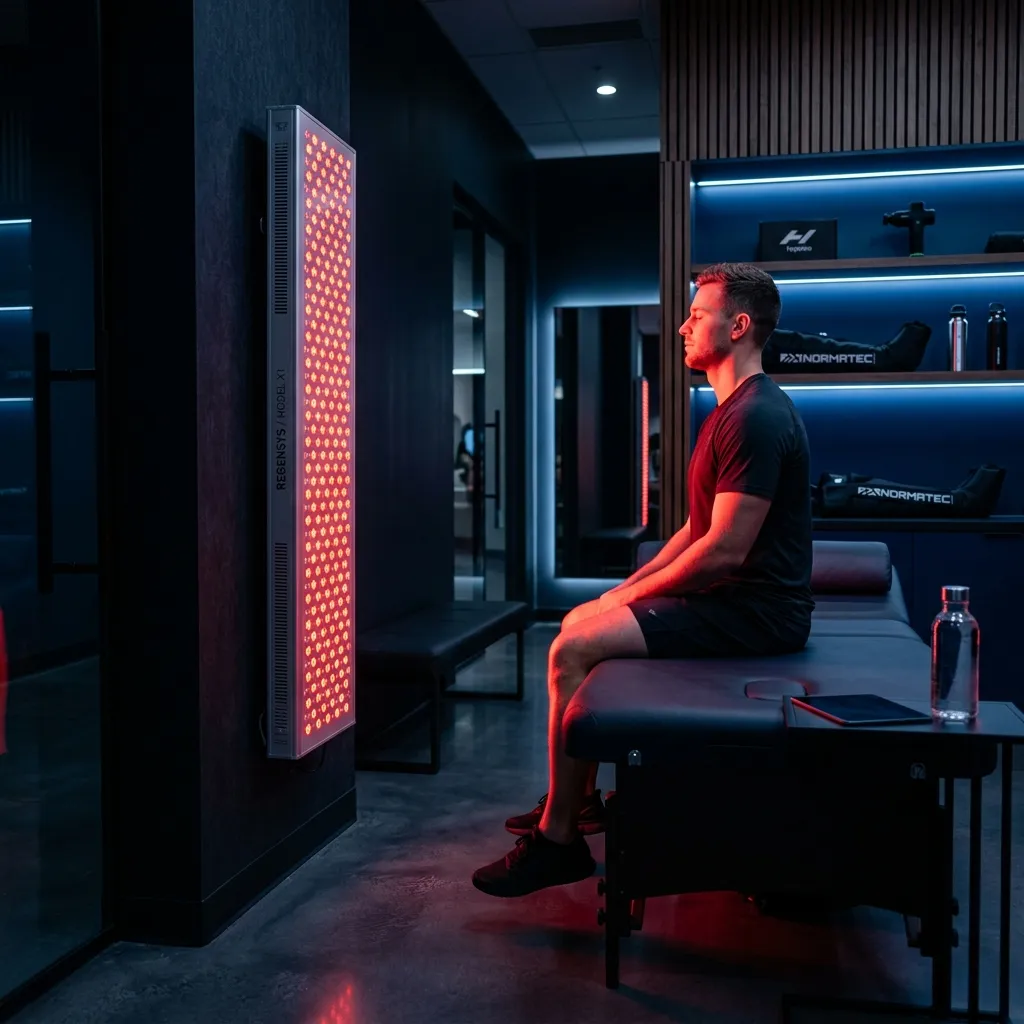
Hello Red Light equipment range for distributor assortment planning

Design the Assortment Around Buyer Roles

A distributor range should be small enough to stock and support, but broad enough to serve the intended channel. Validate each SKU separately.

Facility Equipment

Panels and beds for clinics, spas, gyms, and wellness facilities with room-planning and document requirements.

Compare formats

Branded Retail Range

Masks, compact panels, belts, and targeted devices requiring packaging, labels, manuals, and channel positioning.

Review private label

Mixed-SKU Program

A controlled shortlist for distributors who need both facility and retail products without duplicating accessories or support work.

Open B2B catalog

Commercial Inputs to Confirm

  • Current MOQ, sample terms, price basis, payment schedule, and quote validity by SKU.
  • Private-label scope, artwork approval, packaging minimums, and change-control process.
  • Territory, sales channel, stocking expectations, review period, and written availability.
  • Warranty process, spare parts, defect evidence, claim handling, and after-sales ownership.

Destination-Market Review

  • Exact model-to-certificate and model-to-test-report mapping.
  • Importer, labeling, manual, plug, packaging, and local language requirements.
  • Carton dimensions, weight, pallet plan, incoterm, port, and shipping documentation.
  • Local legal or compliance review before relying on supplier documents.
Equipment assembly area for distributor product review

Distributor Qualification Sequence

  1. 1. Define the channel. Identify target customers, destination markets, service responsibilities, and the smallest viable assortment.
  2. 2. Review samples and documents. Compare each sample with its written specification, packaging, labels, and document mapping.
  3. 3. Approve commercial terms. Confirm pricing basis, quantities, payment, timing, inspection, warranty, and territory language in writing.
  4. 4. Control repeat orders. Keep approved references, artwork versions, change records, and incoming inspection criteria for each reorder.

How to Compare Dealer Programs

Dealer programs differ more in their operating terms than in their product photos. Before committing to one, compare these dimensions side by side — in writing, not from a sales call: If you are benchmarking us against a familiar retail brand, see our B2B comparison of Joovv alternatives.

  • Pricing structure. Whether pricing is tiered by volume, fixed per SKU, or project-based — and how long each quote stays valid.
  • MOQ and assortment flexibility. Minimum quantities per SKU versus per mixed order, and whether you can start with a small trial assortment.
  • Territory and channel terms. Whether any exclusivity is offered, which sales channels are permitted, and how conflicts are handled.
  • Private-label support. What is included: packaging, manuals, labels, the artwork approval process, and who owns the final artwork files.
  • Documentation package. Certificates and test reports mapped to exact models — not generic company-level certificates.
  • After-sales ownership. Who handles warranty claims, spare-parts supply, defect evidence requirements, and response-time commitments.

A program that answers all six in writing before you place an order is usually the safer long-term partner — regardless of whose logo is on the brochure.

Prepare a Distributor Review

Send the target market, sales channels, product shortlist, quantity range, private-label scope, and required documents. Territory and commercial terms are confirmed only after review.

Start Distributor Application